
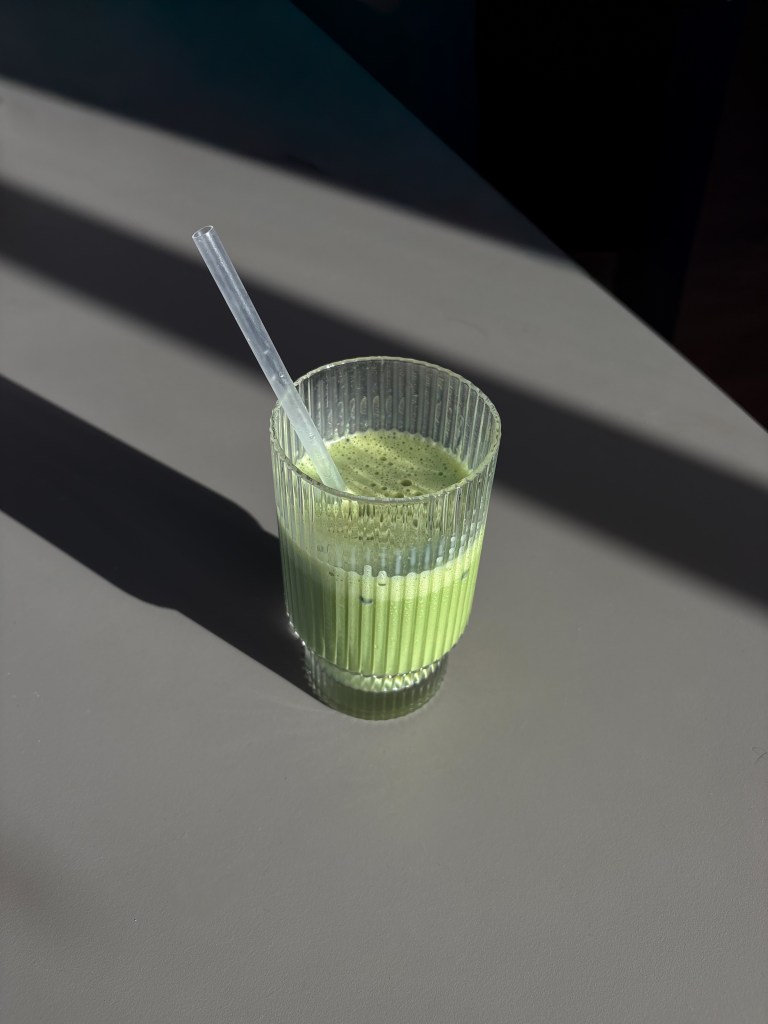
Matcha is one of the most powerful superfoods. It’s rich in antioxidants, supports calm energy, improves focus, and offers gentle anti-inflammatory and metabolic benefits.
But there’s something most people don’t know.
If you drink matcha at the wrong time, especially if you eat mostly plant-based it can reduce how much iron your body absorbs.
This doesn’t mean matcha is bad.
It means timing matters.
The Real Issue: Plant Iron vs Animal Iron
There are two types of iron:
- Heme iron (animal iron): from meat, fish, poultry = easy to absorb
- Non-heme iron (plant iron): from spinach, lentils, beans, oats, quinoa, vegetables = harder to absorb
Matcha mainly interferes with non-heme (plant) iron.
What in Matcha Causes This
Matcha is very high in tannins and polyphenols (powerful antioxidants, including catechins like EGCG).
These compounds can bind to non-heme iron in your stomach and make it harder for your body to absorb it. This effect is known as iron chelation.
Why This Matters Over Time
If you:
- Eat mostly plant-based or vegetarian
- Have low iron or low ferritin
- Feel tired, cold, or low energy
- Drink matcha with breakfast or meals
You may be eating enough iron, but not absorbing it well.
The Good News: You Don’t Have to Stop Matcha
Matcha is still incredibly healthy. You just need to adjust when you drink it.
How to prevent matcha from blocking plant iron
- Drink matcha between meals
- Wait 1–2 hours after eating
- Avoid taking iron supplements with matcha
- Add vitamin C (lemon, citrus, peppers, fruit) to meals to improve plant-iron absorption
- On an empty stomach
- When there is no food in your stomach, matcha has nothing to bind to, so it does not affect iron absorption.
- Yes, you still get all the benefits of matcha when you drink it on an empty stomach.
- In fact, for many people, this is an ideal time to drink it.
The Simple Rule
Enjoy your matcha just not with meals rich in plant (non-heme) iron.
With this small change, you keep all the benefits of matcha and support healthy iron levels.
 plantbwellness.com
Leave a comment